
When it comes to choosing the perfect diamond, most people focus on the 4Cs: cut, color, clarity, and carat. But there's a lesser-known factor that plays a surprisingly big role in how a diamond looks: the diamond length to width ratio. This simple measurement can dramatically influence the diamond’s shape, how large it appears, and how well it flatters your finger. Understanding the diamond length to width ratio can make all the difference between a diamond that just looks nice and one that looks truly breathtaking. So, what exactly is this ratio, and why should it matter to you? Let’s break it down.
1. What is the diamond length to width ratio, and how is it calculated?
The diamond length to width ratio is an important measurement used to evaluate the overall shape and visual appeal of a diamond, especially for fancy shapes like oval, cushion, emerald, pear, and marquise cuts. It is calculated by dividing the length of the diamond by its width (Length ÷ Width).
For example, if an oval diamond measures 9mm in length and 6mm in width, the ratio would be 9 divided by 6, which equals 1.5. This indicates an elongated shape. On the other hand, a ratio close to 1.0 suggests a more rounded or square appearance.
While it might seem like just a technical figure, the diamond length to width ratio significantly affects how a diamond looks when worn. The right ratio ensures the diamond appears balanced, symmetrical, and flattering on the hand. A ratio that is too high or too low can make the diamond look either too narrow or too bulky, regardless of its actual carat weight or quality.
Each diamond shape has its ideal ratio range:
- Oval: between 1.30 and 1.50
- Emerald: between 1.30 and 1.60
- Cushion: from 1.00 (square) to 1.20 (slightly rectangular)
- Marquise: around 1.75 to 2.25
- Pear: typically between 1.45 and 1.75
Understanding the diamond length to width ratio helps you make a more informed decision when choosing a diamond that fits not only your style but also the proportions of your hand. It ensures that your diamond sparkles with elegance and looks just right from every angle.
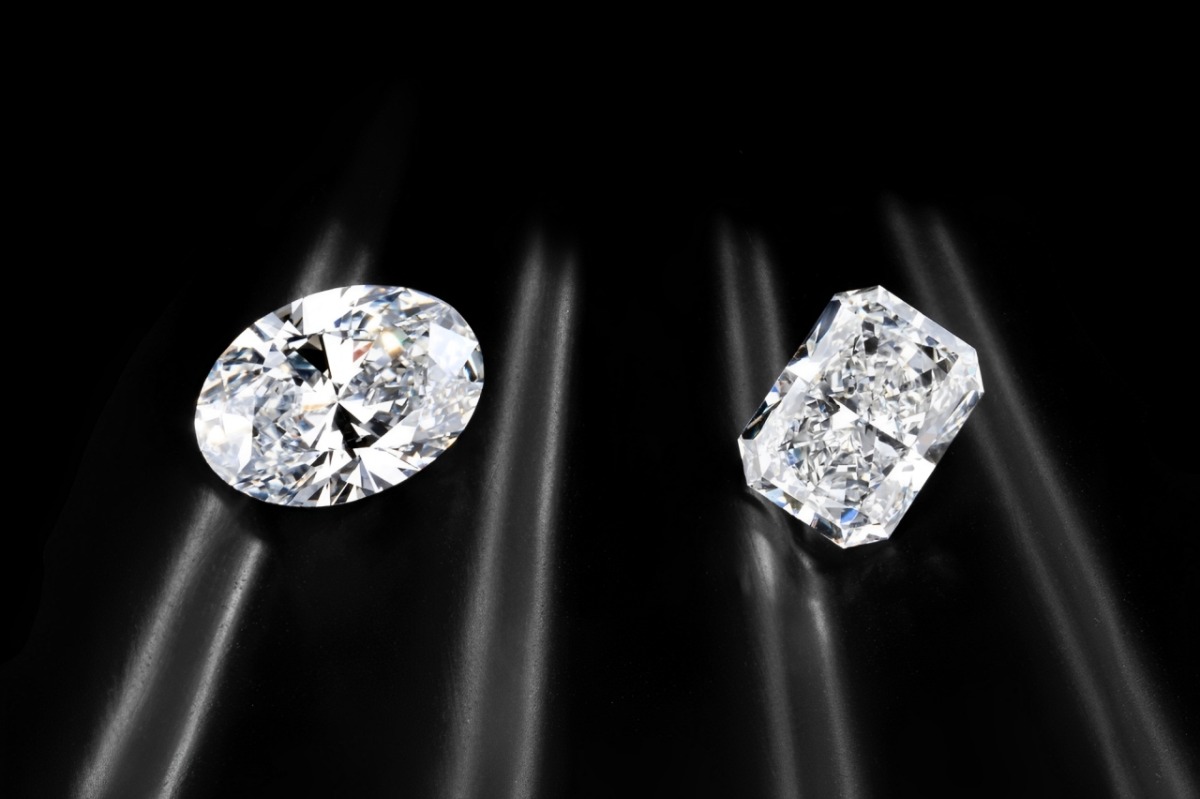
What is the diamond length to width ratio, and why does it matter?
2. Ideal proportions for each diamond shape
Not all diamonds are cut the same, and that’s why the diamond length to width ratio should be considered carefully depending on the shape you choose. Each diamond shape has its ideal ratio that enhances its beauty, symmetry, and overall visual appeal. Here's a breakdown of the recommended ratios for the most popular shapes:
2.1. Round brilliant
This is the most classic and symmetrical diamond shape. The ideal diamond length to width ratio for a round cut is close to 1.00, which creates a perfectly balanced and circular appearance that maximizes sparkle.
2.2. Oval
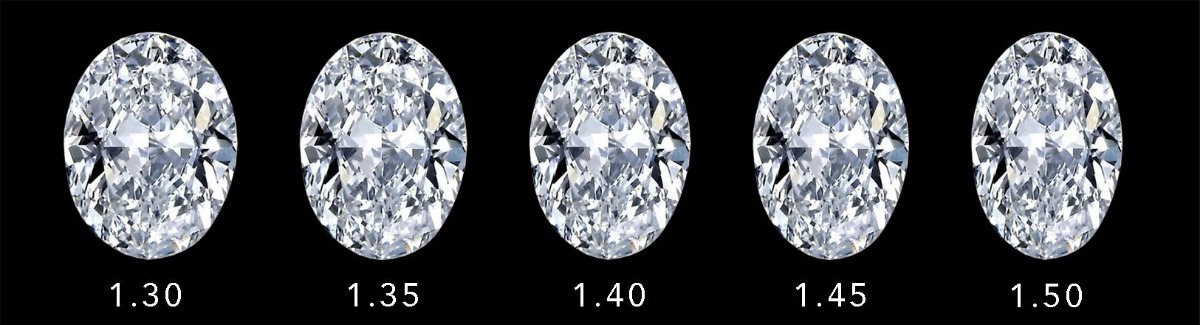
The best diamond length to width ratio for an oval diamond falls between 1.50 and 1.60, giving it a flattering elongated silhouette that slims the finger. Ratios between 1.30 and 1.50 offer a more full-bodied look, which works well in solitaire settings for a bold appearance.
What is the diamond length to width ratio, and why does it matter?
2.3. Cushion
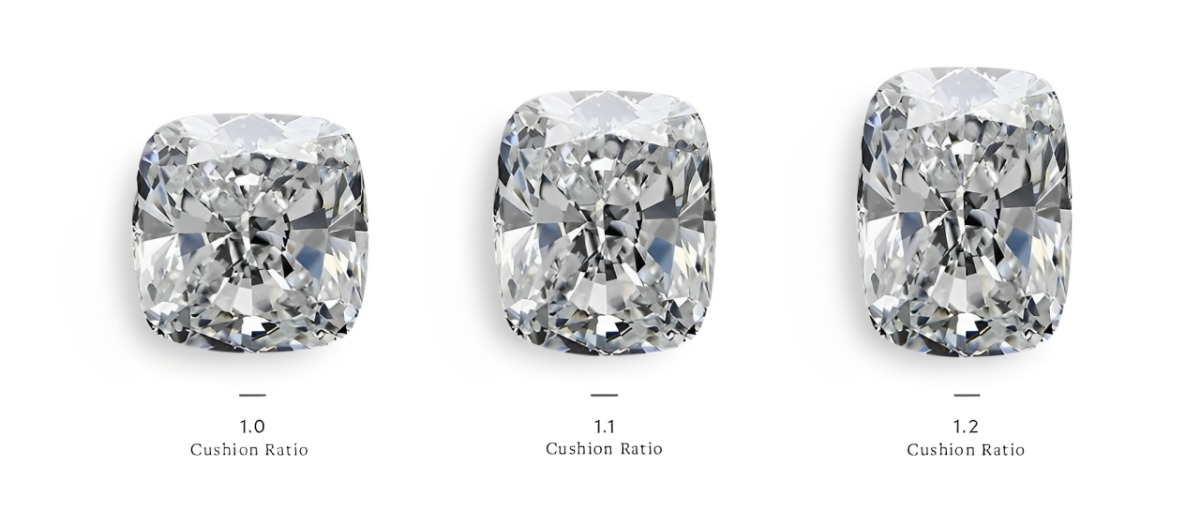
Cushion diamonds look best with ratios from 1.00 to 1.30. If you prefer a square, traditional cushion cut, go with a ratio closer to 1.00. A slightly elongated cushion cut between 1.10 and 1.30 has gained popularity in modern designs for its soft, rectangular elegance.
This range provides depth while maintaining visual balance.
What is the diamond length to width ratio, and why does it matter?
2.4. Emerald
The classic ratio for emerald cuts ranges from 1.30 to 1.60, with 1.45 being the sweet spot. This range preserves the iconic rectangular shape while allowing the step-cut facets to reflect light gracefully and evenly.
2.5. Marquise
With a naturally elongated profile, marquise diamonds shine at a ratio between 1.75 and 2.15. A ratio near 1.75 gives a fuller, more balanced look, while 2.1 offers sharp, pointed ends and a striking, tapered silhouette.
2.6. Pear (Teardrop)
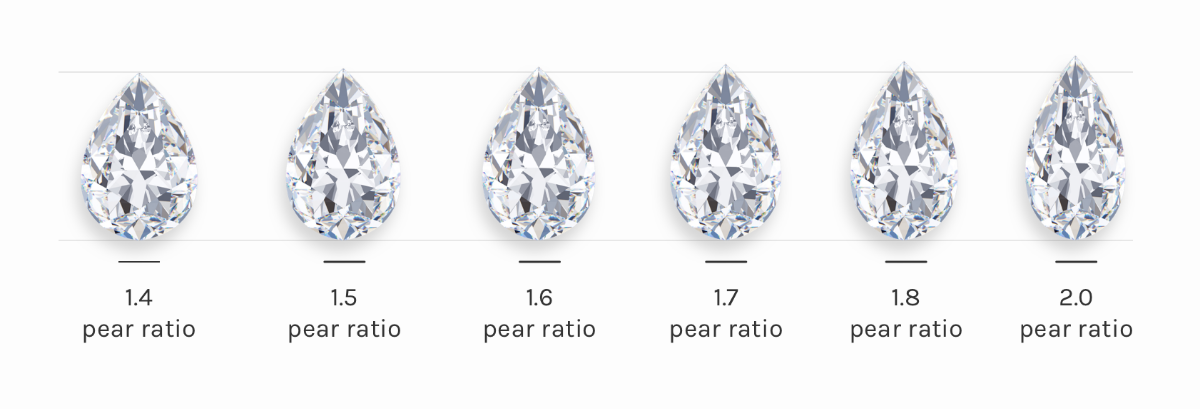
The ideal ratio for a pear-shaped diamond is 1.40 to 1.60. A ratio around 1.60 looks particularly elegant on rings, creating a slimming effect on the finger. A ratio closer to 1.40 works better for pendants or earrings, where a slightly rounder top adds weight and presence. Since pear shapes are asymmetrical, sticking within this range helps maximize brilliance and maintain visual harmony.
What is the diamond length to width ratio, and why does it matter?
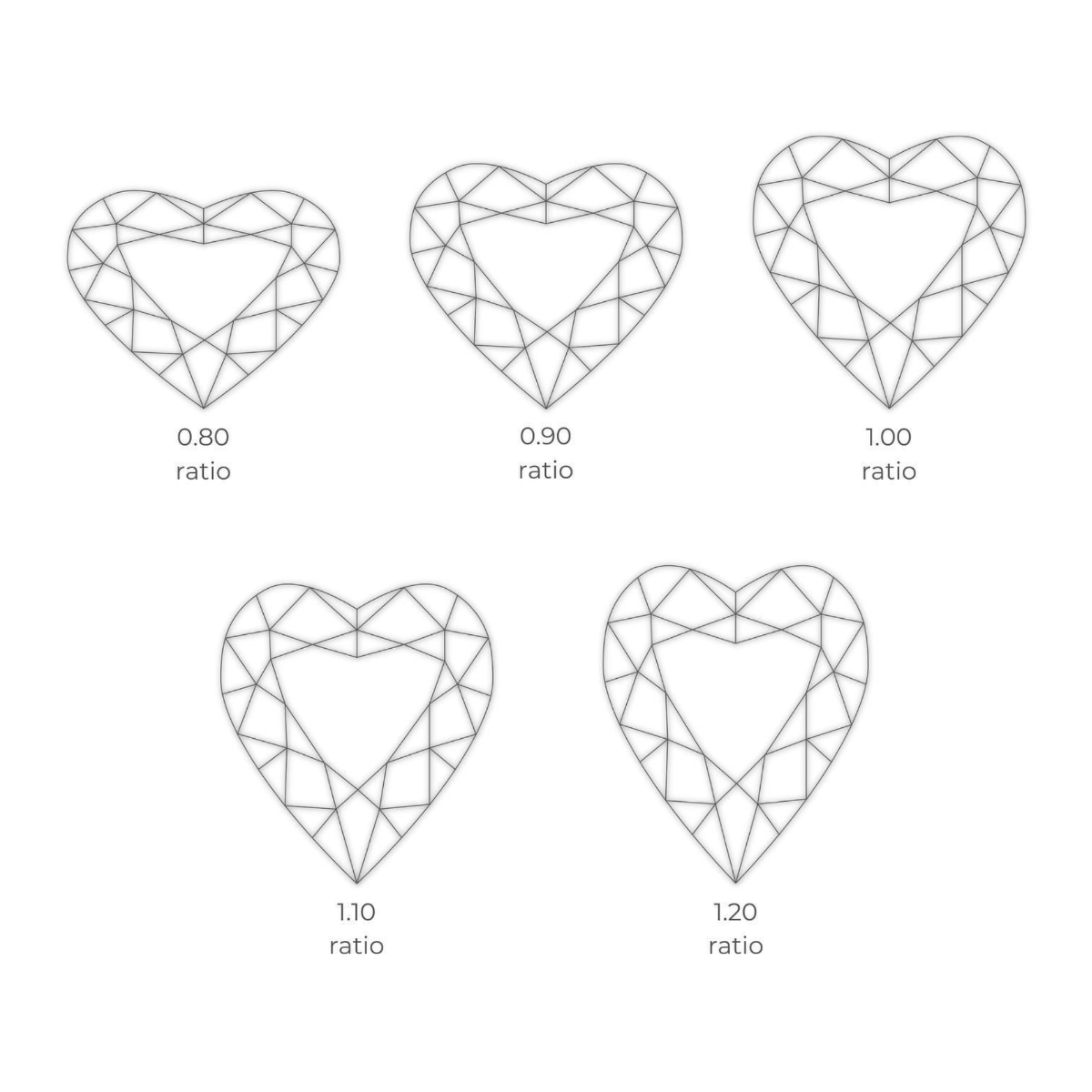
2.7. Heart
Heart-shaped diamonds have a recommended ratio of 0.95 to 1.05. For a fuller, more rounded heart, choose a ratio around 0.95 to 1.00. A ratio closer to 1.05 will make the heart appear more narrow and pointed. This unique shape requires careful consideration to maintain symmetry and sparkle.
What is the diamond length to width ratio, and why does it matter?
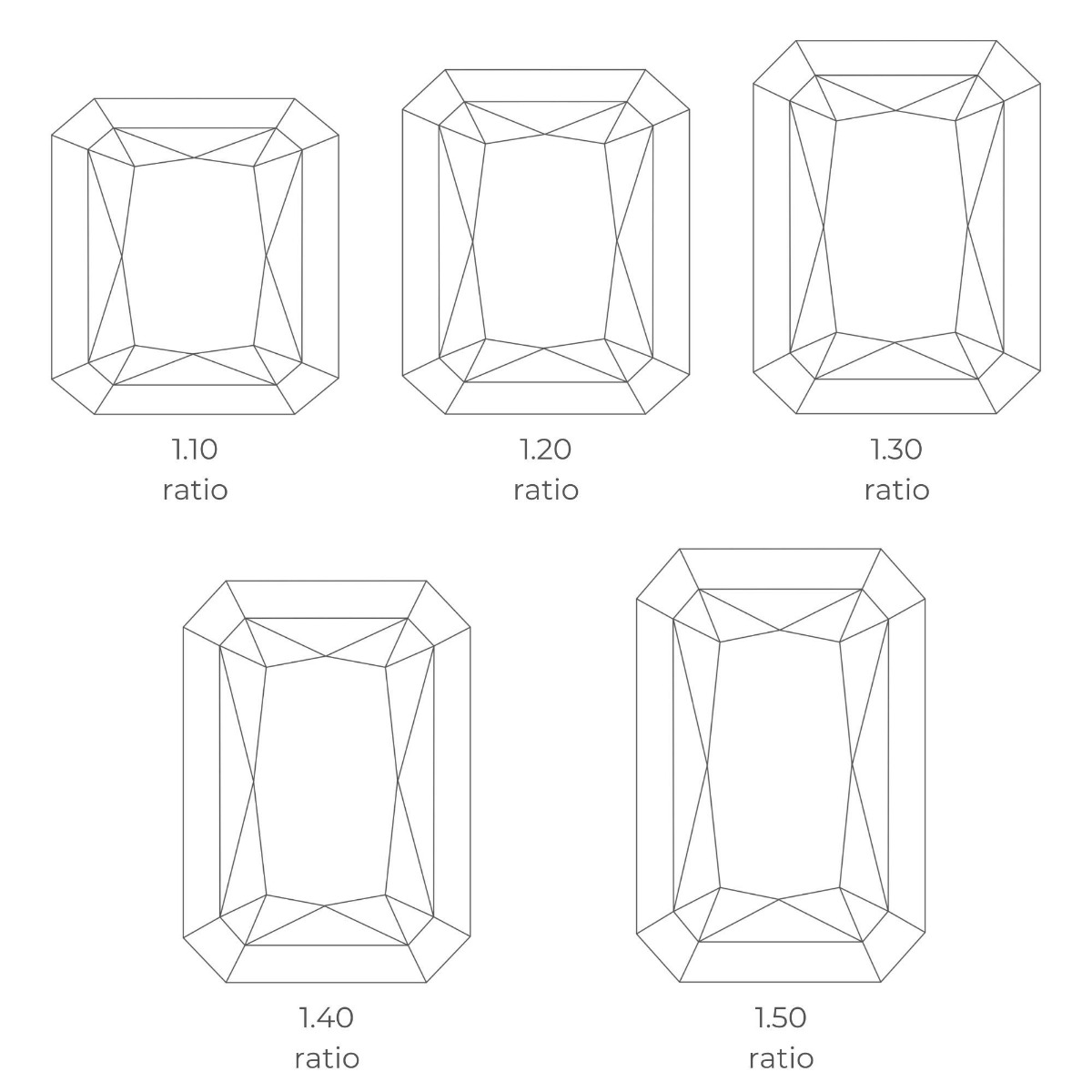
2.8. Radiant
Radiant diamonds look their best with a ratio between 1.15 and 1.35. A ratio closer to 1.15 gives a square appearance, ideal for those who like bold, balanced shapes. Higher ratios closer to 1.35 create a more rectangular outline, perfect for those who want the diamond to stretch across the finger.
What is the diamond length to width ratio, and why does it matter?
2.9. Asscher
Like emerald cuts, Asscher diamonds are step-cut, but with a square base. The ideal diamond length to width ratio is 1.00, which ensures symmetry and excellent light return. Ratios up to 1.08 are acceptable for a slightly elongated appearance while still preserving the signature look.
2.10. Princess
Princess cuts are most flattering with a ratio between 1.00 and 1.15. For a bold square appearance and maximum brilliance, choose a ratio below 1.05. For a slightly elongated effect that pairs well with side stones or detailed bands, opt for a ratio between 1.08 and 1.15.
3. Why does the diamond length to width ratio truly matter?
The diamond length to width ratio is far more than just a technical specification. It determines up to 90 percent of a diamond’s overall beauty. From a design perspective, the right ratio creates a harmonious, elegant shape, almost like a perfectly tailored work of art. On the other hand, when the ratio is too far off, even a five-carat diamond can appear awkward or distorted, losing the graceful form that defines true luxury.
In terms of visual aesthetics, a well-balanced diamond length to width ratio ensures the stone looks refined and flattering when worn. If the proportions are too extreme, the diamond may appear too narrow or too bulky, throwing off its natural symmetry and elegance.
Light performance - the soul of any diamond - is also deeply impacted by this ratio. A precise diamond length to width ratio acts like an optical blueprint, allowing light to reflect in multiple directions and producing a dazzling, fiery brilliance. Sadly, many diamonds with excellent cut grades and top-tier clarity still lose their sparkle simply because of a slight miscalculation in this ratio.
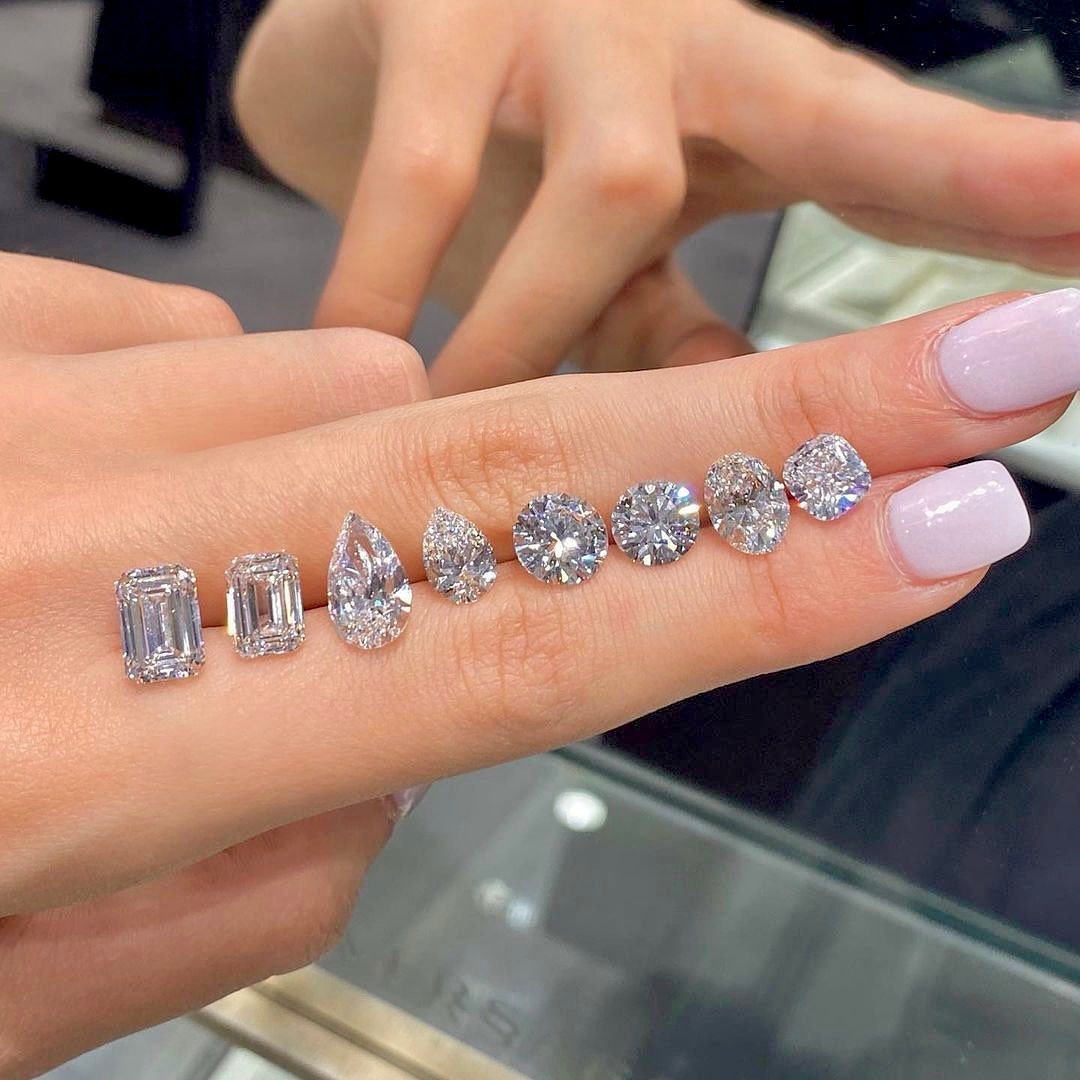
Perhaps the most fascinating impact lies in the illusion of size. A one-carat oval diamond with a ratio of 1.45 can appear larger than a one-carat round brilliant, thanks to the way the elongated shape guides the eye. This is a professional jeweler’s secret to helping clients get maximum visual impact without exceeding their budget.
What is the diamond length to width ratio, and why does it matter?
4. Tips for choosing the right diamond based on length to width ratio
Start by considering your aesthetic preferences. If you favor classic, balanced proportions, opt for diamonds with a diamond length to width ratio close to 1.00, such as round brilliant or square cushion cuts. These shapes offer symmetry and timeless elegance. On the other hand, if you prefer something more elongated and modern, shapes like oval, emerald, or marquise with higher ratios will create a graceful, slimming effect on the finger.
It’s also important to match the diamond’s proportions with the jewelry setting you plan to use. For instance, a diamond with a longer ratio may look best in a solitaire ring or a drop-style earring, where its shape can shine without distraction. Meanwhile, round or slightly rectangular diamonds often work beautifully in halo rings, classic studs, or pendant designs.
To make the most informed choice, always seek advice from a certified jeweler or request a grading report that includes the diamond length to width ratio. This will help you verify the stone’s proportions and ensure it meets your expectations in terms of both beauty and value.
In the world of diamonds, beauty lies not only in brilliance but also in balance. The diamond length to width ratio may seem like a technical detail, but it’s a powerful tool that helps you choose a stone that truly reflects your taste, style, and even your personality. By understanding this ratio, you’re not just buying a diamond—you’re making a thoughtful decision that enhances every glance and every compliment. So before you fall for the sparkle, take a moment to consider the proportions. The right diamond length to width ratio could be the key to finding a piece that feels just right, for a lifetime.