
Golden burgers, shimmering cakes, and sparkling sushi — edible gold has taken the culinary world by storm. Once reserved for royalty and ancient rituals, gold leaf in food is now a symbol of luxury, adorning Instagram-worthy plates around the globe. But beyond the glitz and glamor lies a question many curious diners still ask: Is edible gold safe to eat?
In this blog, we dig deeper into the dazzling trend of eating gold — where it comes from, how it’s made, and what science has to say about putting precious metal on your plate.
1. What is edible gold? Understanding the role of gold leaf in food
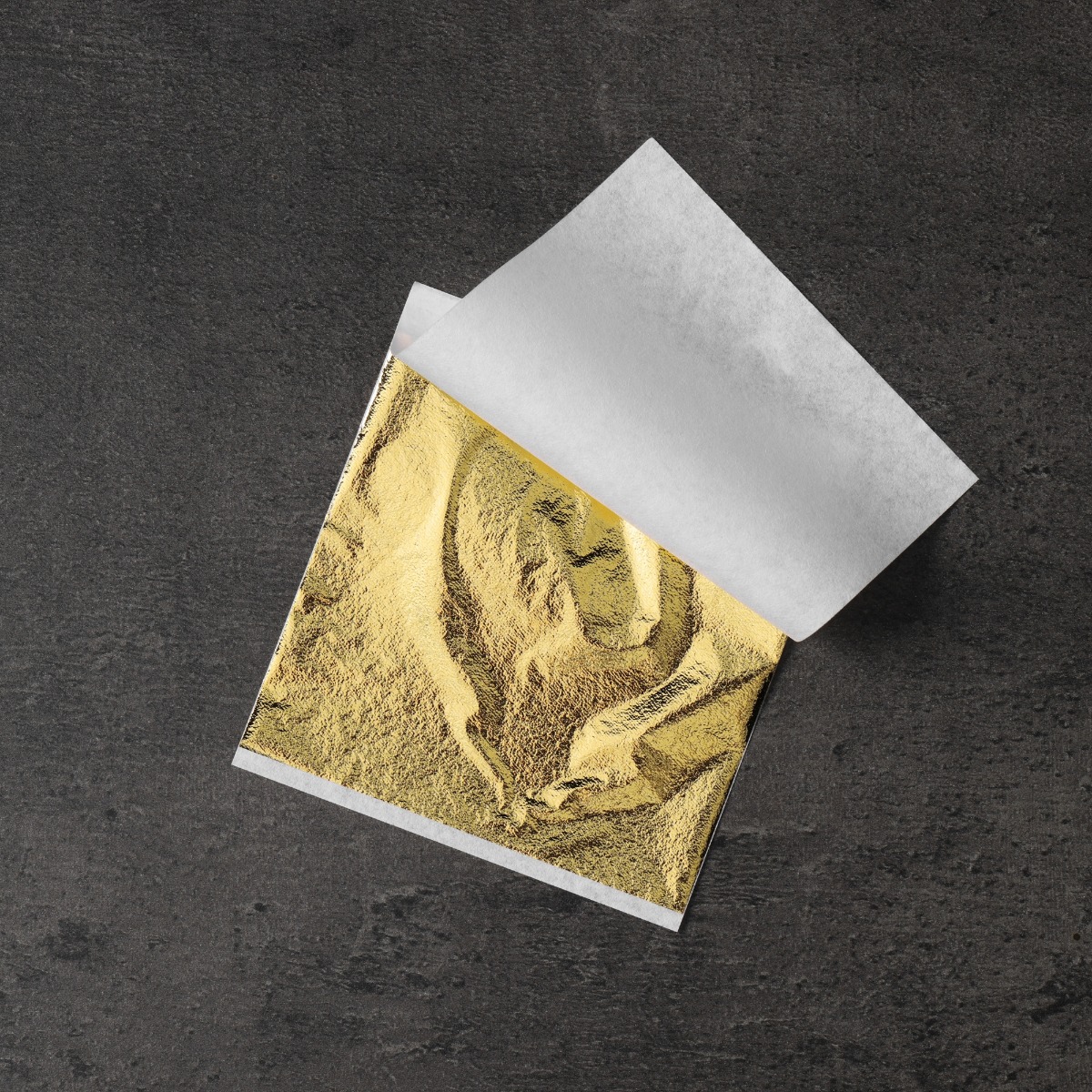
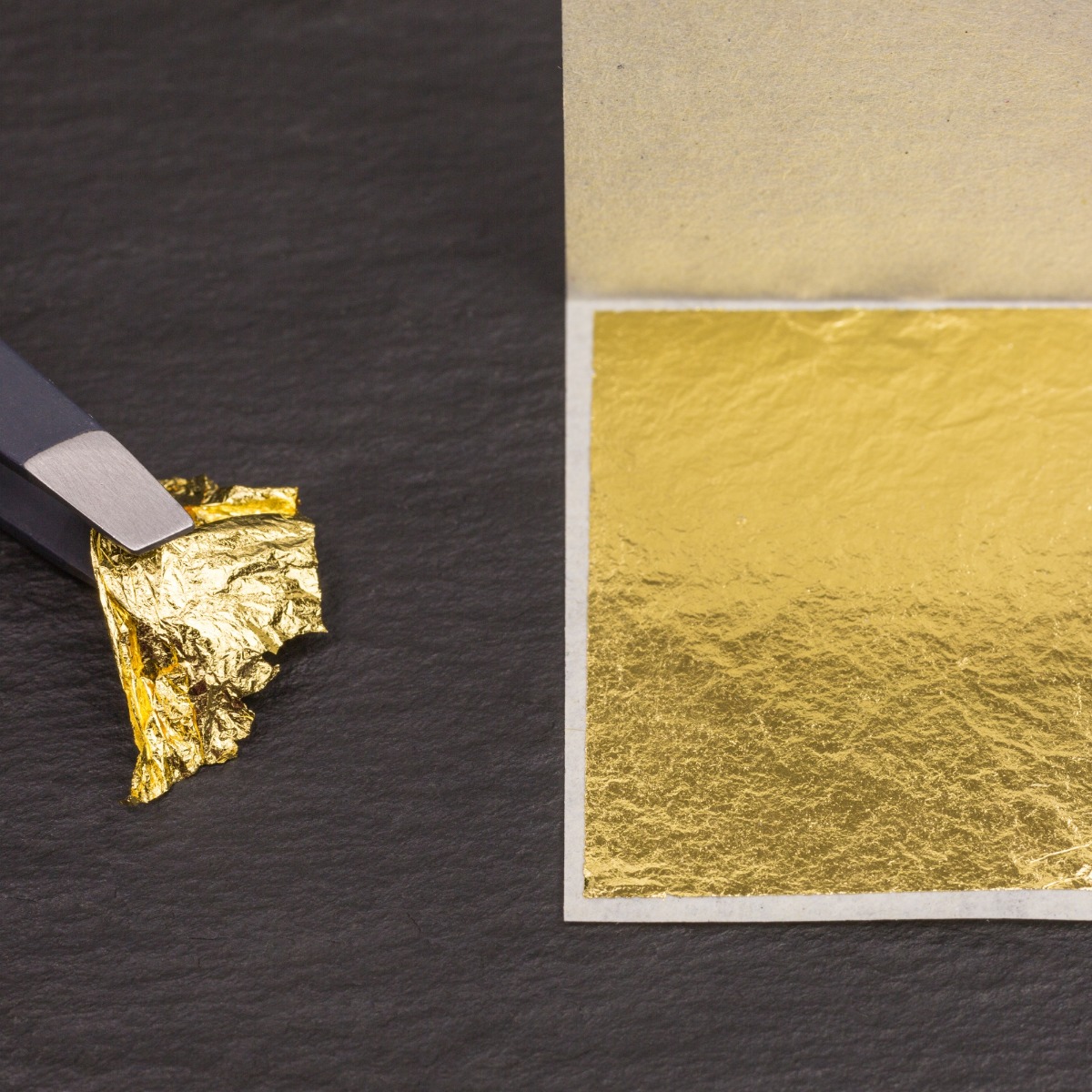
Edible gold, also known internationally as gold leaf, is a form of pure gold that has been specially processed for culinary use. Typically made from 22K to 24K gold, it is free from toxic metals or harmful chemicals. Due to its inert properties, edible gold does not react inside the human body and is naturally excreted after consumption.
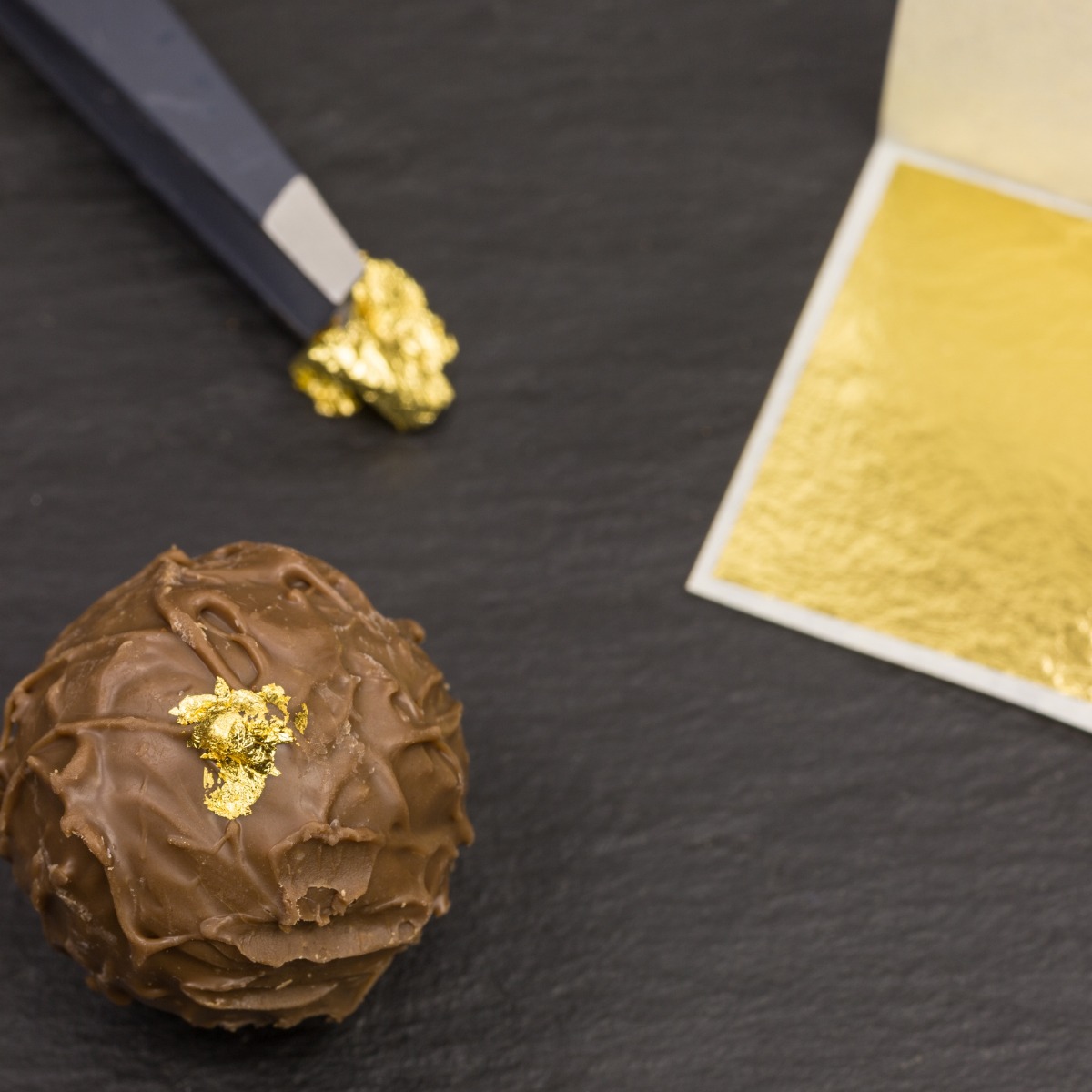
Gold leaf in food is commonly used to decorate desserts, pastries, beverages, and high-end dishes. It is beaten into fragile sheets that have no taste and do not affect the texture of the food. Its primary purpose is to enhance the visual appeal and elevate the dining experience by adding a sense of luxury and exclusivity.
A common concern among consumers is whether edible gold is safe to eat. According to food safety standards and scientific studies, edible gold that is specifically manufactured for food use is not harmful to health when consumed in appropriate quantities. However, it's essential to distinguish between edible gold and industrial or decorative gold, which may contain impurities that are unsafe for ingestion.
Is edible gold safe? The truth behind gold leaf in food
2. Comparing edible gold and jewelry gold
Although they may appear similar in appearance and value, edible gold and the gold used in jewelry are fundamentally different in terms of purity, composition, intended use, and safety for consumption.
2.1. Purity and composition
Gold leaf in food is typically made from extremely pure gold — usually 22K to 24K — meaning it contains up to 99% pure gold. This high level of purity ensures that the gold remains chemically inert, meaning it doesn’t react with substances in the human body. This is why, when properly sourced, edible gold is considered safe to consume and does not pose a health risk. So, if you're wondering whether eating gold is harmful, the answer depends entirely on the type of gold and its intended use.
In contrast, jewelry gold is often mixed with other metals such as copper, silver, or zinc to enhance its durability and workability. These additional metals, although safe for wearing, are not safe for ingestion and can be harmful if ingested.
Is edible gold safe? The truth behind gold leaf in food
2.2. Purpose
- Jewelry gold: Worn for adornment or investment.
- Gold leaf in food: Used for visual elegance, elevating high-end culinary presentations.
In conclusion, although both forms are technically gold, edible gold and jewelry gold serve very different roles and should never be used interchangeably. Understanding this distinction is essential for both safety and responsible consumption, especially as gold continues to trend in the world of luxury food.
*Did you know? Just 1 gram of 24K gold can be hammered into a 1m² sheet of gold leaf, enough to gild dozens of luxury dishes!*
3. The hidden dangers of mistaking jewelry gold for edible gold
As the trend of using gold leaf in food grows in fine dining and luxury desserts, it's crucial to understand that not all gold is safe to eat. One of the most common and dangerous misconceptions is confusing edible gold with jewelry-grade gold.
Gold leaf in food.
Unlike edible gold, which is typically 22K to 24K pure and specifically manufactured for safe consumption, jewelry gold contains various alloyed metals such as copper, silver, nickel, or zinc. These metals are added to improve hardness and durability for everyday wear. However, when ingested, these metals can pose serious health risks, from allergic reactions and gastrointestinal irritation, affecting the nervous system and kidneys, to potential heavy metal toxicity with repeated exposure.
Even more concerning is the use of low-quality imitation jewelry made from materials like brass or electroplated metals, which are sometimes coated with gold-colored finishes that are not meant for ingestion. These substances can be highly toxic if accidentally consumed and may cause acute poisoning or long-term health effects.
So, if you're wondering whether eating gold is harmful, the answer lies in the source and purity of the gold. Only certified edible gold, made for culinary use, is considered safe. Mistaking decorative or industrial gold for food-grade gold is a serious health hazard.
In summary, while gold leaf in food adds elegance and luxury to any dish, it should only be used when sourced from reputable suppliers who specialize in food-grade materials. Never substitute or assume that all gold is edible — your health depends on it.
4. Where is edible gold used? Applications in fine dining, beauty, and traditional culture
Edible gold is more than just a symbol of luxury — it’s a refined material used across multiple fields, from high-end gastronomy and beauty products to traditional Asian culture.
4.1. Fine dining: A symbol of prestige and refinement
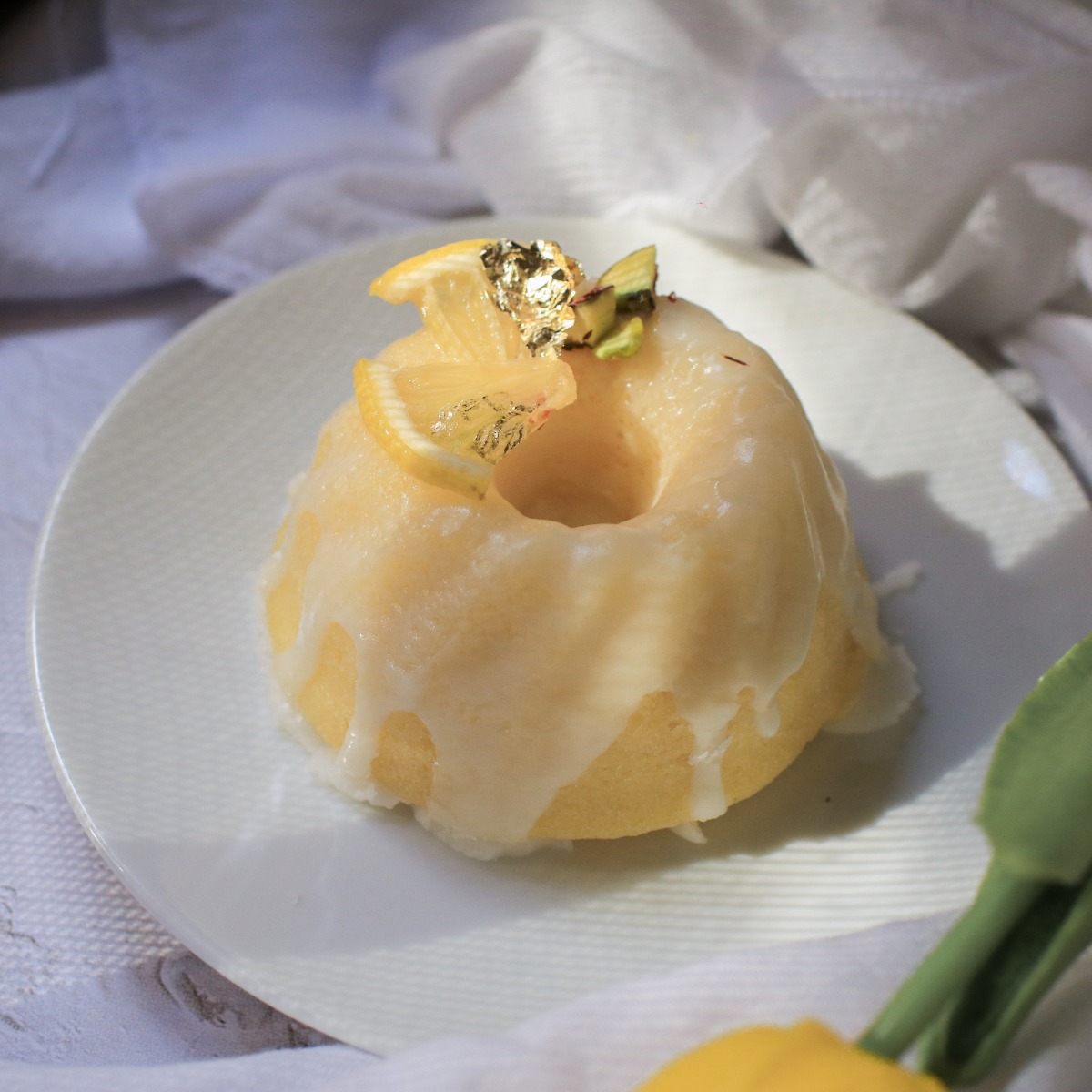
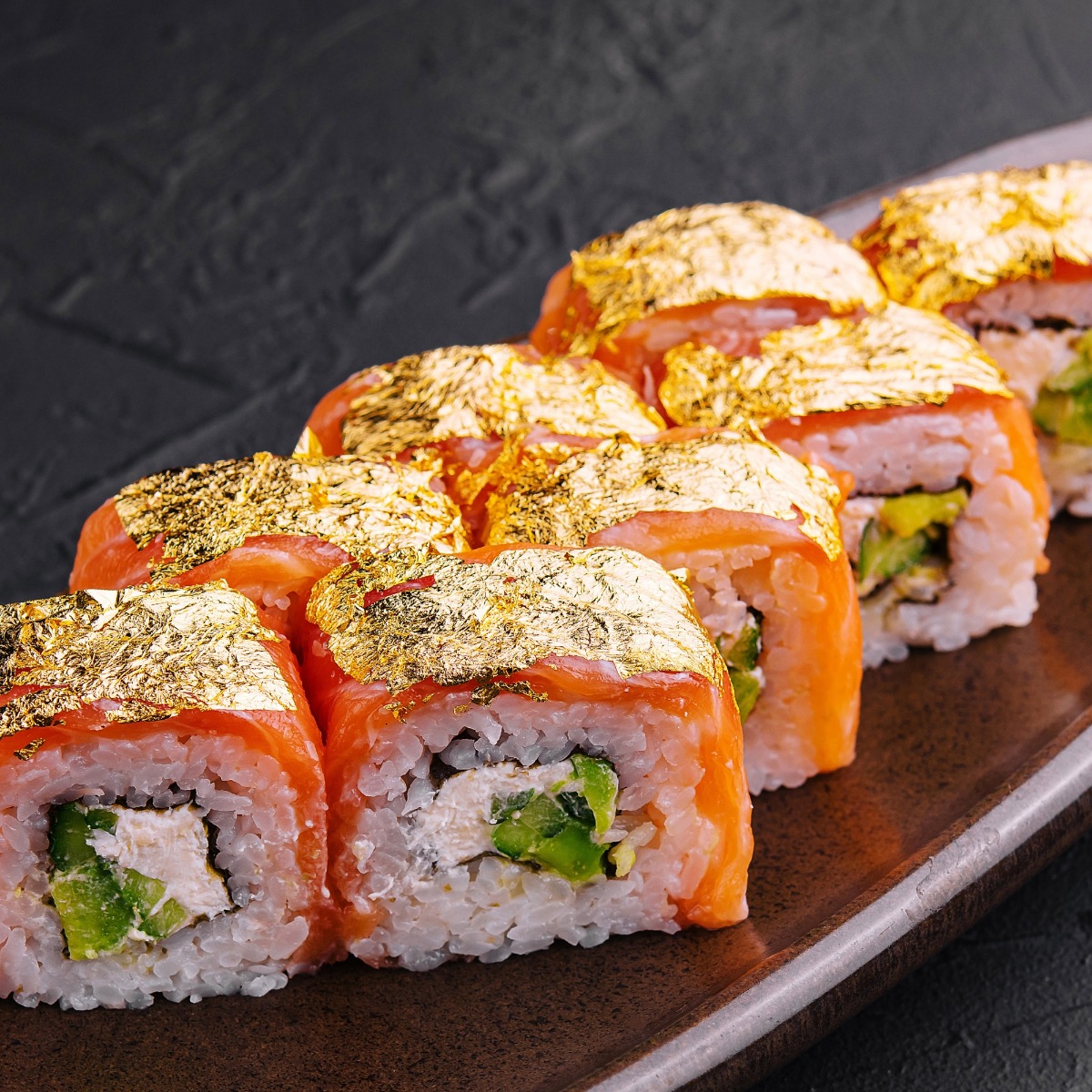
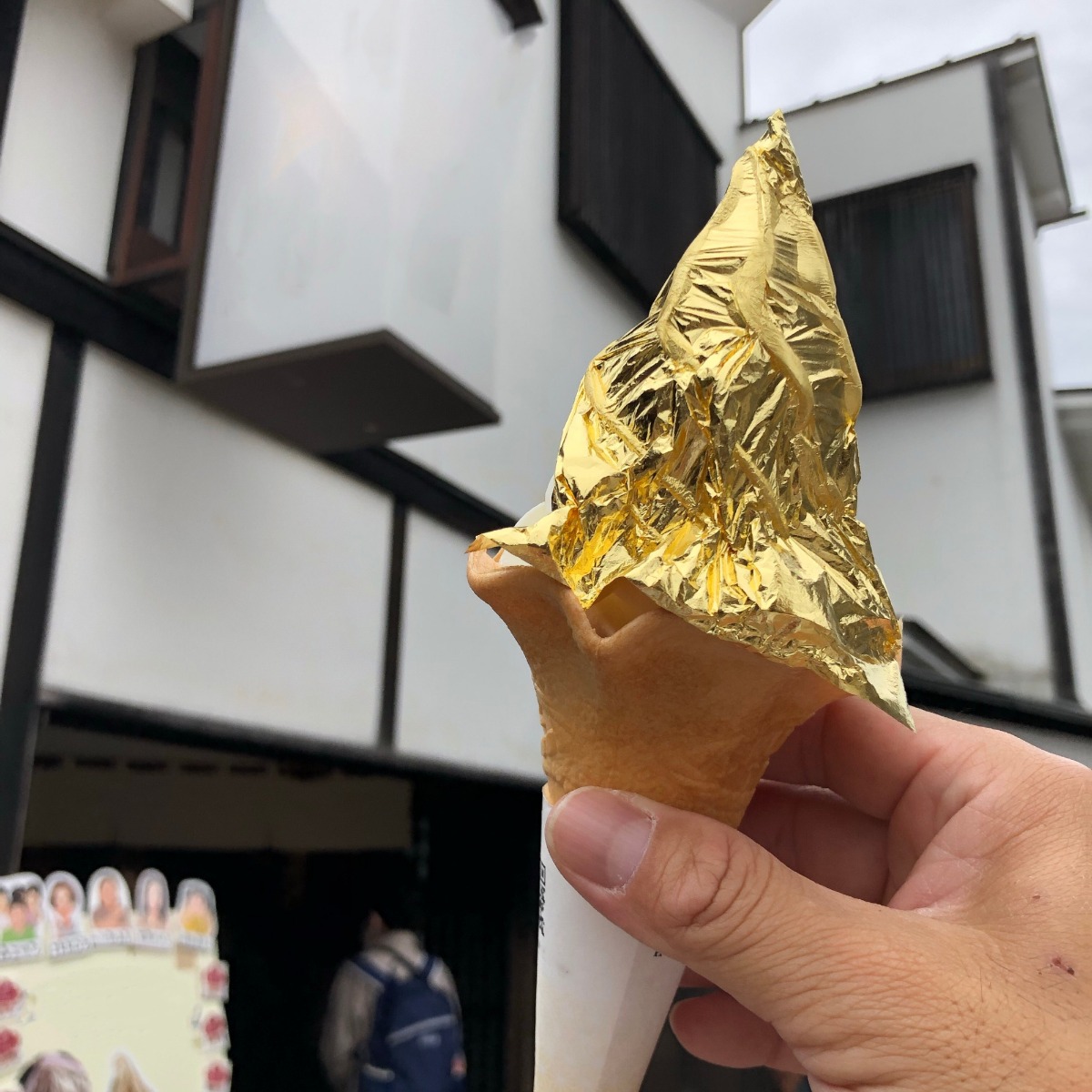
In the culinary world, edible gold is widely used as a decorative element in upscale dishes.
In Japan, premium gold-covered sushi is often served in elite restaurants as a sign of honor and respect to guests.
Luxury chocolate and pastry brands such as Lindt and Godiva use gold leaf to enhance visual value and sophistication. In the world of cocktails, gold-topped drinks have become a trend at exclusive bars, offering an eye-catching shimmer that complements the high-end atmosphere.
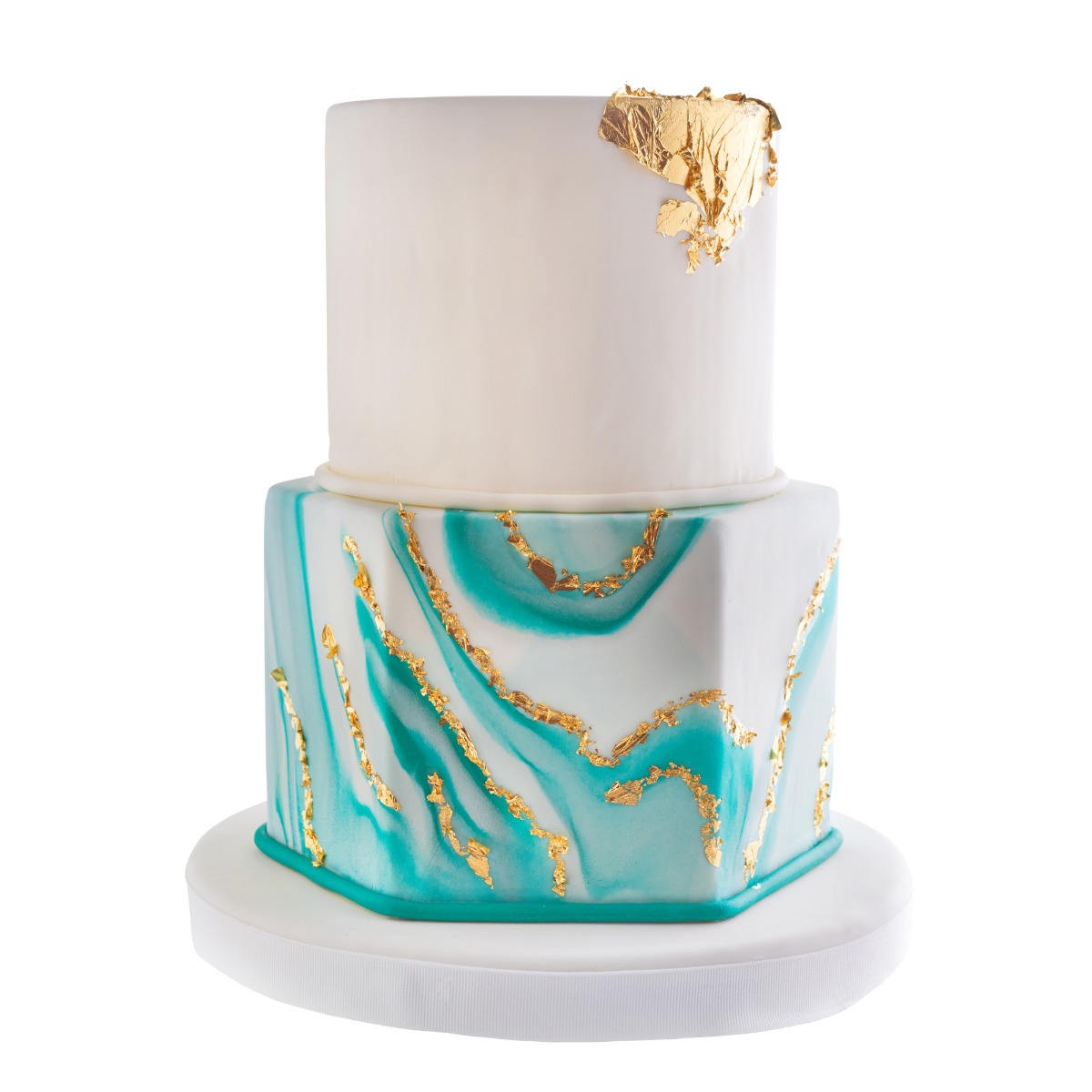
Luxury wedding cakes covered in gold leaf have also become a statement of elegance and opulence in many high-profile celebrations.
Is edible gold safe? The truth behind gold leaf in food
However, it’s important to note that the question “Is eating gold harmful?” depends on the type of gold being used. In 2019, a bar in the United States was fined after using non-food-grade gold powder containing nickel in cocktails, which led to four customers being hospitalized for metal poisoning. This incident highlights the need to use only certified edible gold in culinary settings.
4.2. Beauty and wellness: Gold in modern skincare and supplements
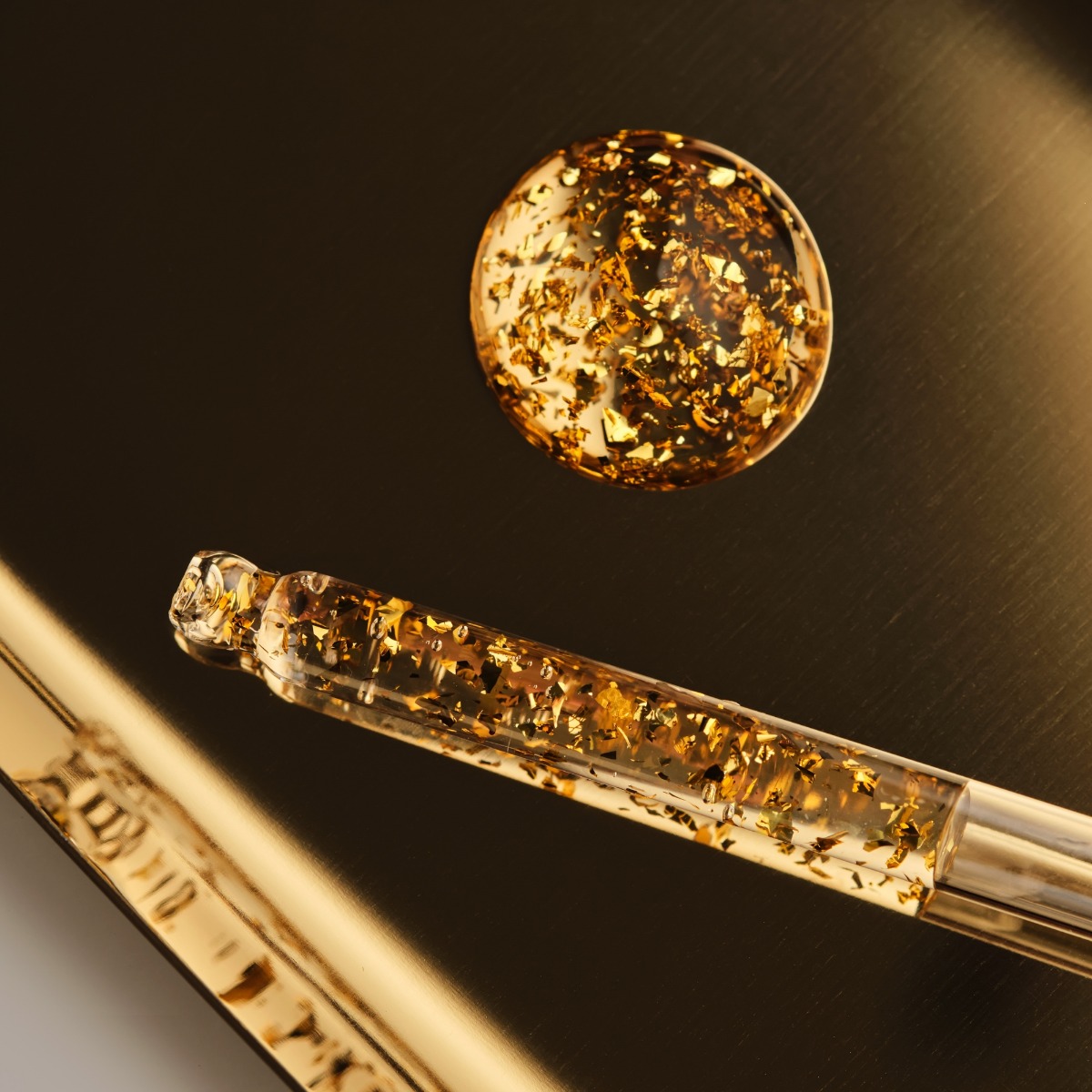
Beyond food, edible gold has found its way into the beauty industry.
Many premium skincare brands incorporate gold into products such as gold-infused facial masks, which are marketed for their brightening and anti-aging benefits. Collagen supplements with gold are also promoted as powerful tools for skin rejuvenation. Even gold-accented lipsticks have been introduced to add a touch of luxury to daily beauty routines.
Is edible gold safe? The truth behind gold leaf in food
4.3. Asian culture: Gold in traditional cuisine and herbal medicine
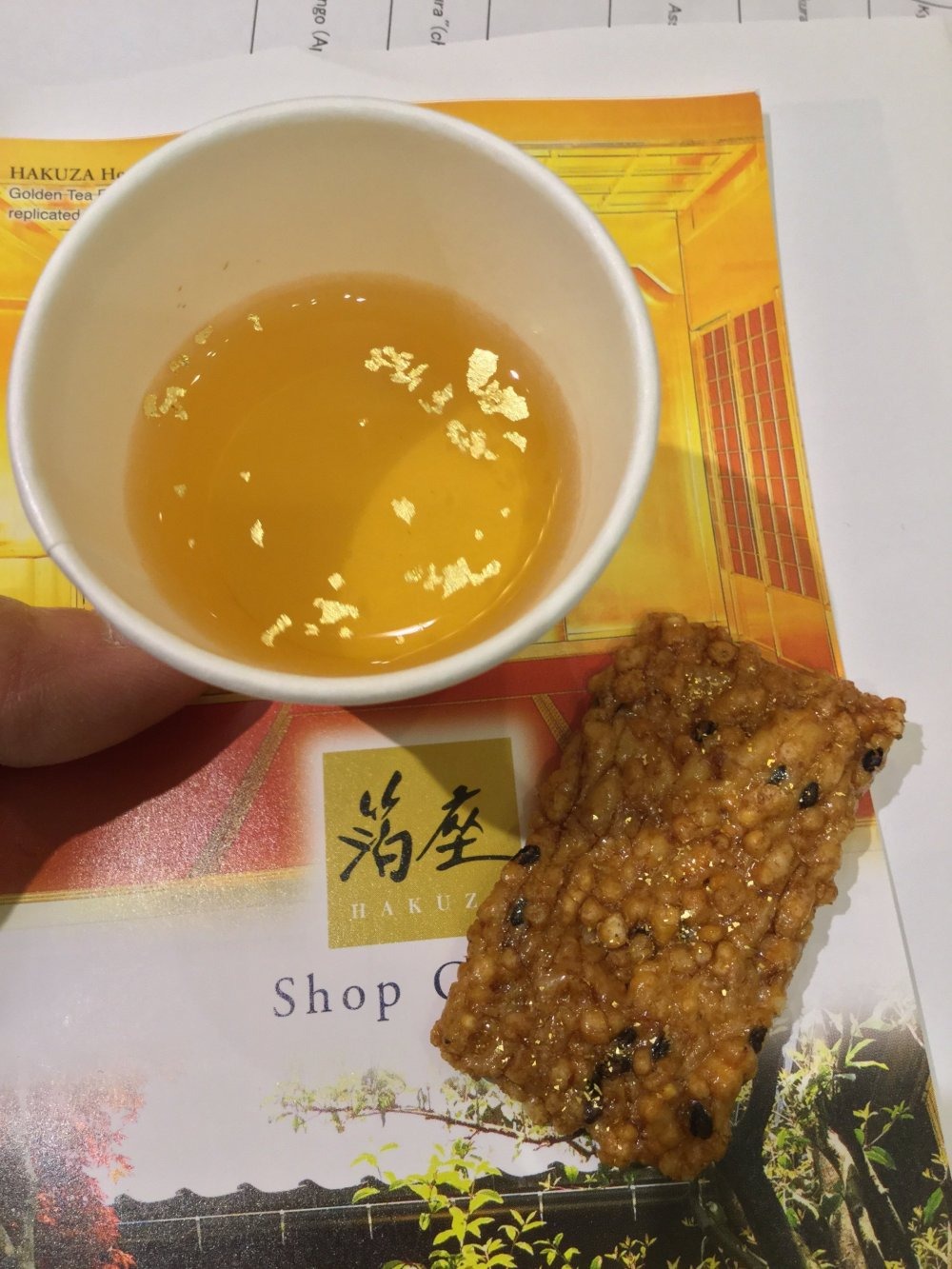
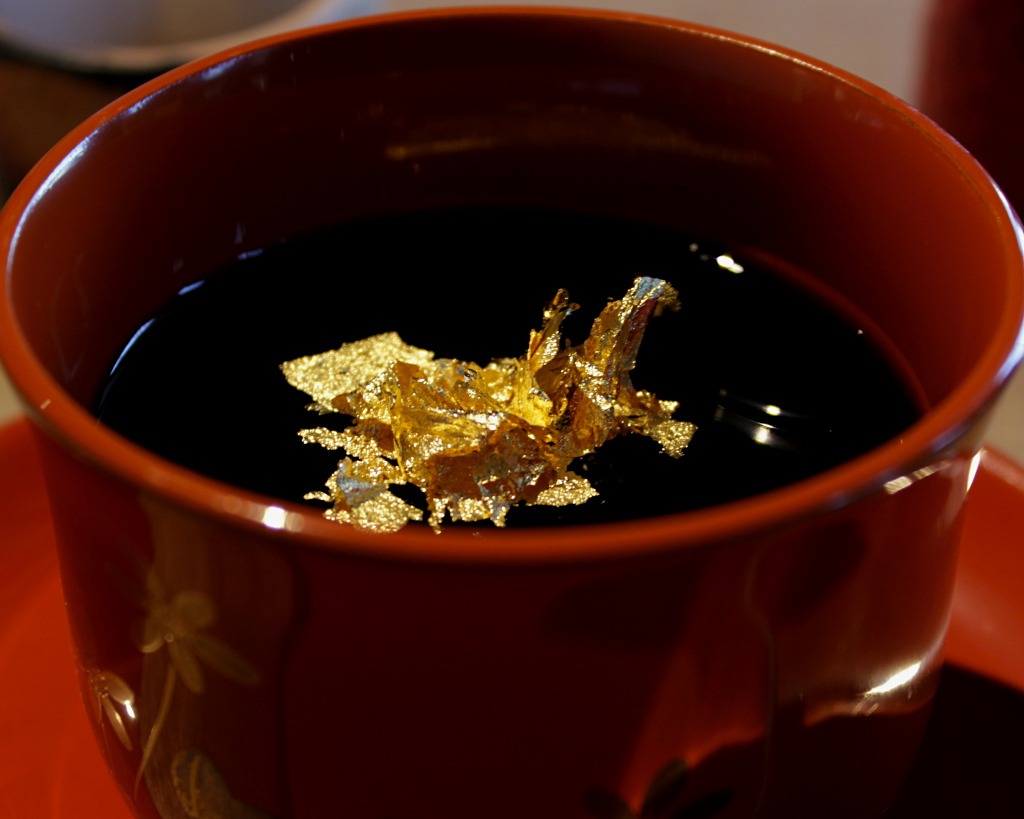
In Asia, the use of gold in food and medicine has deep cultural roots. In Japan, gold leaf in tea — particularly in the city of Kanazawa — is used in ceremonial tea rituals to represent purity and good fortune.
Is edible gold safe? The truth behind gold leaf in food
In traditional Chinese and Vietnamese medicine, trace amounts of gold have historically been included in rare herbal formulas, believed to aid in balancing energy and promoting vitality. In ancient royal courts, gold-decorated dishes were reserved for kings and nobles, symbolizing power and sacred status.
While edible gold may sparkle on your plate, its true value lies in understanding what you're consuming. Science shows that gold leaf in food, when made from pure 22K–24K gold and used appropriately, is generally safe and non-toxic. But like any luxury, it’s best enjoyed in moderation and from trusted sources.
So, is edible gold safe? The short answer: yes — if it’s real, regulated, and responsibly sourced. After all, when it comes to food, knowledge is just as golden as the garnish.